Be Avalanche Aware: A Winter Backcountry Safety Guide for Alberta
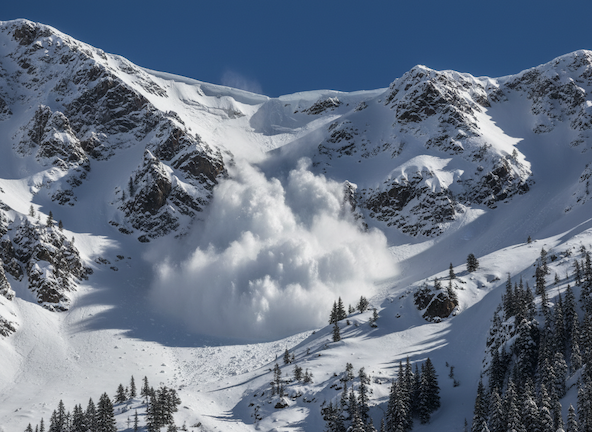 Winter in Alberta is pure magic: crisp air, fresh snow, and endless backcountry possibilities. But once the snow returns, so does a reality every rider, skier, hiker, and snowshoer needs to take seriously: avalanche risk.
Whether you’re heading into Kananaskis for a day trip or planning a bigger winter adventure, avalanche safety isn’t “nice to have.” It’s part of being a responsible backcountry user.
Daily forecasts are live (and they matter)
Alberta’s government and Avalanche Canada work together to help keep backcountry users safer through daily avalanche forecasts.
The Alberta Parks Kananaskis Mountain Rescue team monitors avalanche conditions after the first snowfall of the season. In partnership with Avalanche Canada, daily avalanche bulletins are posted on avalanche.ca from Nov. 15 to April 15. This year, an early-season bulletin was issued on Oct. 12.
Before you head out, make it a habit: check the forecast, then check it again the morning you leave.
When are avalanches more likely?
Avalanches can happen any time the snowpack becomes unstable, but they’re more likely during:
-
Heavy snowfall
-
Strong winds (wind can load slopes fast)
-
Sudden warming (including sunny breaks after cold periods)
If you’re seeing these conditions, it’s a big flashing sign to dial back your terrain choices.
Reducing avalanche risk: start with information
Two simple checks can dramatically reduce risk:
-
Check avalanche.ca for daily avalanche conditions and bulletins
-
Check Alberta Parks advisories for trail reports and local updates
And if you’re traveling in Kananaskis, there’s another tool worth bookmarking: the Avalanche Terrain Ratings Scale (ATES) resource developed by Kananaskis Mountain Rescue, available online at albertaparks.ca/ATES.
ATES helps you better identify avalanche terrain and make smarter route decisions before you even leave home.
Carry the right gear (and know how to use it)
If you’re heading into avalanche terrain, you should be equipped for companion rescue. At minimum, carry:
-
Avalanche transceiver
-
Probe
-
Shovel
-
GPS communication device or a satellite-enabled smartphone
-
Extra batteries (cold drains power fast)
Gear alone isn’t enough. Everyone in the group needs to know how to use it quickly, under stress, in real conditions.
Avalanche Canada’s practical safety recommendations
Avalanche Canada recommends a few core habits that can make a life-saving difference:
-
Take an avalanche safety course.
Training gives you the skills to recognize risk patterns, not just react to them.
-
Learn to recognize avalanche terrain and stick to lower-angle slopes (under 30 degrees).
-
Choose terrain that minimizes consequences.
Even if the risk is “moderate,” the outcome can be severe if you’re in the wrong place.
-
Travel one at a time when exposed to avalanche terrain.
-
Avoid sun-exposed slopes during warm and/or sunny conditions.
These aren’t complicated rules. They’re the kind of steady, disciplined choices that keep small problems from becoming emergencies.
Why this matters: a few quick facts
-
Kananaskis Mountain Rescue responds to about 375 backcountry incidents every year.
-
The team produces a daily public avalanche bulletin and avalanche hazard forecast to help inform Albertans and visitors in the Kananaskis region.
-
Alberta’s government provided a multi-year grant of $750,000 to Avalanche Canada to support:
-
avalanche education development and promotion
-
critical services for Kananaskis avalanche forecasting
-
public safety information
-
-
Avalanches are the deadliest natural disaster in Canada, killing more people every year than all other natural disasters combined.
A simple pre-trip checklist (save this)
Before you go:
-
Read the latest bulletin on avalanche.ca
-
Check Alberta Parks trail reports/advisories
-
Confirm your route and terrain choices (use ATES where applicable)
-
Do a transceiver check with your group
-
Pack probe, shovel, comms device, and extra batteries
-
Agree on a conservative plan and a turnaround point
Final word: winter adventure is better when everyone comes home
The backcountry will always involve risk. But informed choices, proper gear, and real training can reduce that risk dramatically.
If you’re heading out this winter: be avalanche aware, be prepared, and be the person in your group who makes safety the standard.
Related resources
-
Avalanche Canada: avalanche.ca
-
Kananaskis Country Avalanche Terrain Ratings Scale (ATES) | Alberta Parks: albertaparks.ca/ATES